
The Journal 2 min read
More Lesser-Known Oils Worth Exploring: Angelica, Melissa, Manuka, Ocotea and Friends
A second tour of the unusual oils, angelica, melissa, manuka, ocotea, goldenrod, ledum and dorado azul, with their real chemistry and the quirks that make each distinctive.
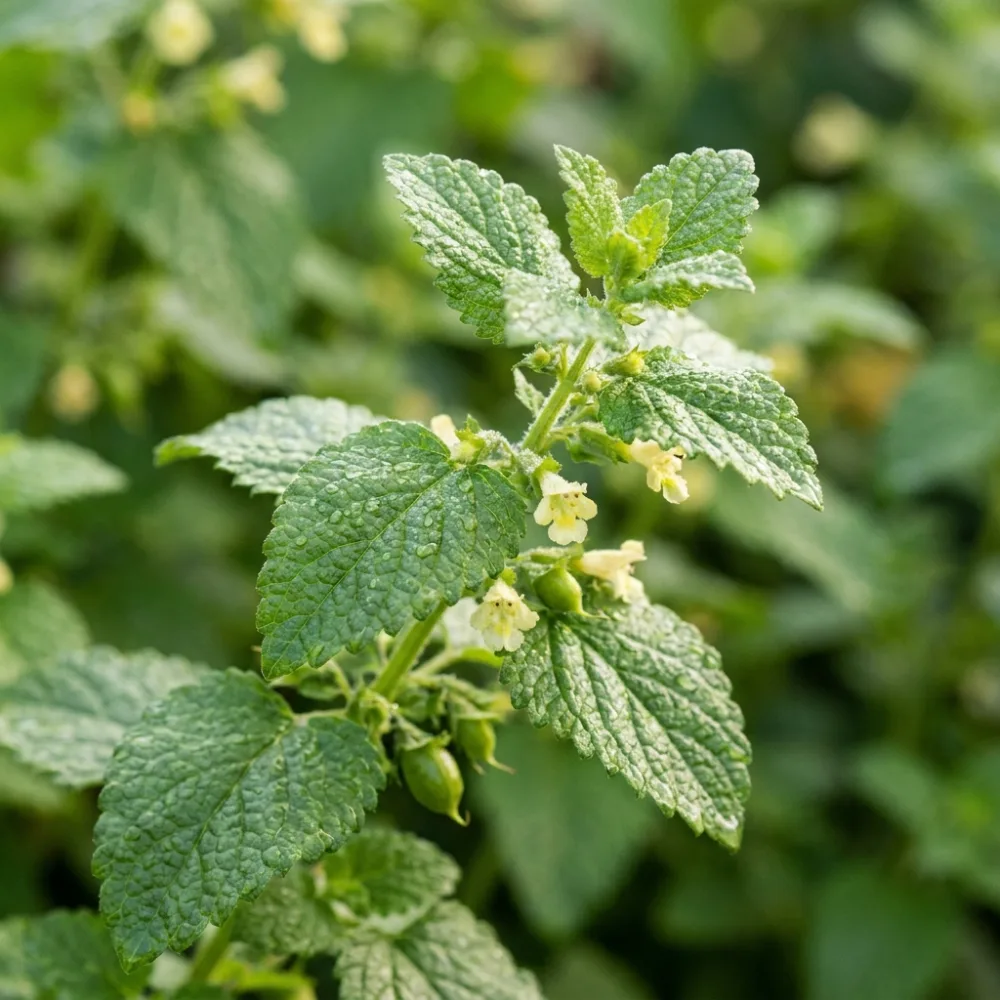
Beyond the everyday oils lies a long tail of distinctive, well-characterised aromatics that reward the curious. Here’s a second round of the lesser-known oils, each with its own quirk worth knowing before you buy.
The precious and the rare
- Melissa (lemon balm), a citral-rich oil so low-yielding it’s one of the priciest and most-adulterated; buy genuine (composition).
- Manuka, the New Zealand oil whose activity comes from β-triketones, distinct from manuka honey (review).
- Angelica, an earthy, grounding root oil that’s phototoxic (keep treated skin out of the sun) (composition).
The green and herbaceous curiosities
- Goldenrod, germacrene-D-rich and soft-herbaceous; not the hay-fever culprit it’s blamed for (composition).
- Canadian Fleabane, a limonene-rich, fresh green oil (composition).
- Ledum (Labrador tea), herbaceous and balsamic; use the groenlandicum species, not toxic marsh ledum (composition).
- Dorado Azul, a fresh, cineole-and-sabinene herb oil distilled in Ecuador (composition).
The spicy oddity
- Ocotea, a South American cinnamon relative with cinnamaldehyde-type constituents; warm and spicy but gentler than cinnamon, still dilute low (composition).
Getting to know an unfamiliar oil
- Check the botanical name and species, with rare oils it matters most (ledum, mastrante, manuka).
- Start in the diffuser to learn the aroma before committing it to a skin blend.
- Watch the specific catches, angelica is phototoxic; ocotea has cinnamaldehyde; melissa is often adulterated.
- Buy small and from a trusted source, rare oils are where mislabelling and dilution happen most.
Bottom line
Melissa, manuka, angelica, goldenrod, canadian fleabane, ledum, dorado azul, and ocotea are the oils that make a collection genuinely interesting, distinctive, well-studied, and full of character, as long as you mind each one’s particular quirk.
References
- Melissa (lemon balm) oil composition (2014), Industrial Crops and Products. doi:10.1016/j.indcrop.2013.10.020
- Manuka review (2010), Phytothérapie. doi:10.1007/s10298-010-0598-x
- Angelica archangelica root oil (1997), Journal of Essential Oil Research. doi:10.1080/10412905.1997.10554250
- Goldenrod oil (1993), Planta Medica. doi:10.1055/s-2006-959673
- Conyza canadensis oil (2000), Journal of Essential Oil Research. doi:10.1080/10412905.2000.9712214
- Ledum groenlandicum oil (1993), Phytochemistry. doi:10.1016/0031-9422(93)85406-h
- Hyptis suaveolens (dorado azul) leaf oil (1994), Journal of Essential Oil Research. doi:10.1080/10412905.1994.9699348
- Ocotea quixos essential oil variability (2021), Molecules. doi:10.3390/molecules26133961
This article is educational and not medical advice.