
The Journal 2 min read
Unusual Essential Oils Worth Knowing: Davana, Ocotea, Goldenrod, Ledum and More
Beyond the lavenders and lemons lies a world of unusual oils, davana, ocotea, goldenrod, ledum, canadian fleabane and valerian. Here's what they are and why they're interesting.
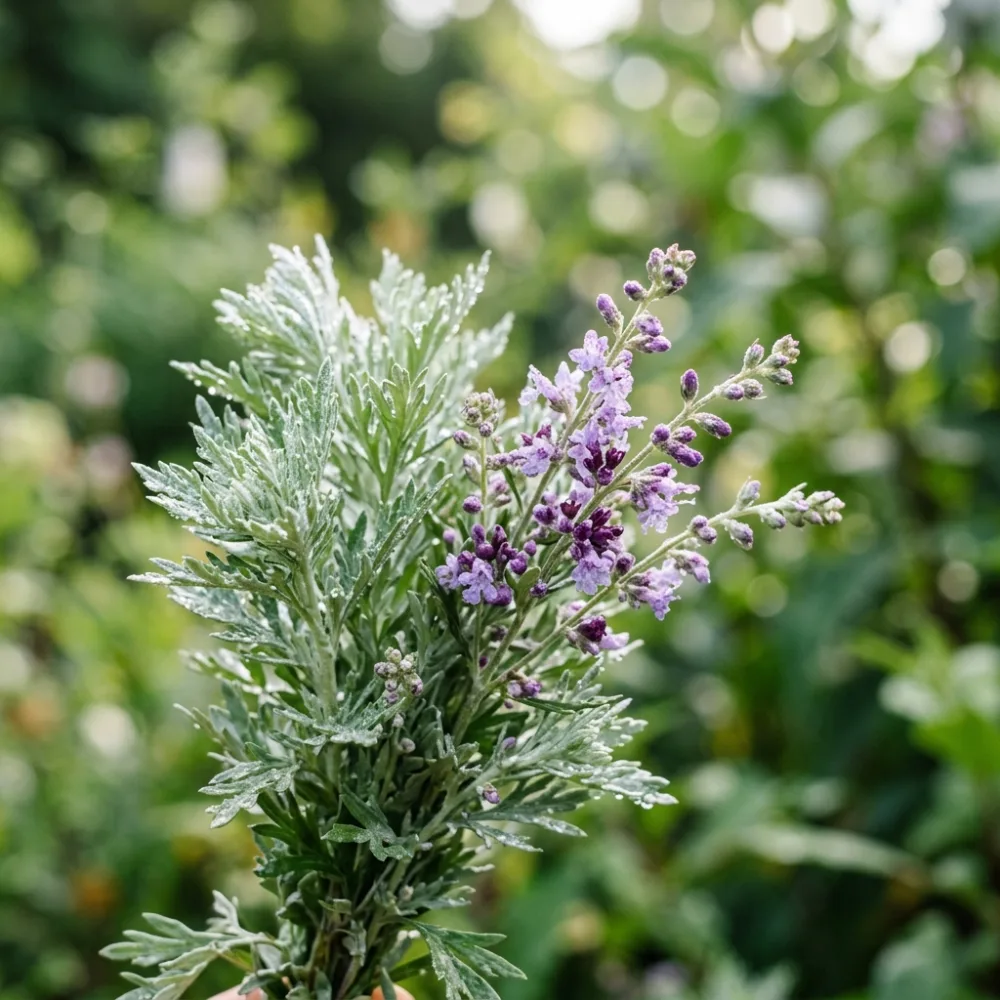
Once you move past the everyday oils, aromatherapy gets genuinely interesting. These lesser-known oils have unusual chemistry, distinctive aromas, and real research characterising them, even if they’ll never be as famous as lavender. Here’s a tour of the curiosities.
The perfumer’s oddities
- Davana (Artemisia pallens), famous for smelling different on every person’s skin, thanks to its davanone-rich chemistry (composition). A rich, fruity, wine-like perfumery oil. Avoid in pregnancy (an Artemisia).
- Ocotea (Ocotea quixos), a South American cinnamon relative with cinnamaldehyde-type constituents, warm and spicy but gentler than cinnamon (variability study). Still dilute low.
The green and herbaceous
- Goldenrod (Solidago canadensis), a germacrene-D-rich oil with a soft, warm-herbaceous scent; and no, it doesn’t cause the hay fever ragweed does (composition).
- Canadian Fleabane (Conyza canadensis), a limonene-dominant oil with a fresh, green, grassy character (composition).
- Ledum (Labrador tea, Rhododendron groenlandicum), a limonene- and sesquiterpene-alcohol oil; use the groenlandicum species, not toxic marsh Ledum palustre (composition).
The famously smelly one
- Valerian, a root oil with a heavy, earthy-musty aroma some find off-putting, led by bornyl acetate (composition). Note: valerian’s sleep research is mostly on oral extracts standardised to valerenic acids, not the inhaled oil.
The regional lemon-grass
- Xiang Mao, a Chinese lemongrass (Cymbopogon), citral-rich like other lemongrass; the name means “fragrant grass”.
- Mastrante, Lippia alba, which comes in a lemony citral chemotype and a minty carvone chemotype.
- Hong Kuai, Taiwan cypress, a sesquiterpene-rich relative of hinoki.
How to approach unusual oils
- Read the botanical name, with rare oils, species and chemotype matter even more (ledum, mastrante).
- Start in the diffuser to get to know an unfamiliar aroma before committing it to a skin blend.
- Dilute and patch-test, novelty is no substitute for the usual safety basics.
Bottom line
Davana, ocotea, goldenrod, ledum, valerian and the rest are the oils that make a collection interesting, distinctive, well-characterised, and often surprisingly useful in blends once you know their quirks.
References
- Davana (Artemisia pallens) chemical composition (2021), Chemistry & Biodiversity. doi:10.1002/cbdv.202100531
- Ocotea quixos essential oil variability (2021), Molecules. doi:10.3390/molecules26133961
- Solidago canadensis (goldenrod) oil (1993), Planta Medica. doi:10.1055/s-2006-959673
- Conyza canadensis (fleabane) oil (2000), Journal of Essential Oil Research. doi:10.1080/10412905.2000.9712214
- Ledum groenlandicum essential oil (1993), Phytochemistry. doi:10.1016/0031-9422(93)85406-h
- Valerian essential oil and valerenic acids (2009), Journal of Essential Oil Research. doi:10.1080/10412905.2009.9700206
This article is educational and not medical advice.