
The Journal 2 min read
Natural Insect-Repellent Essential Oils: What Works and What to Expect
Citronella, lemongrass, geranium and cedarwood are the classic natural bug-deterrent oils. Here's the honest evidence, and why they need frequent reapplication.
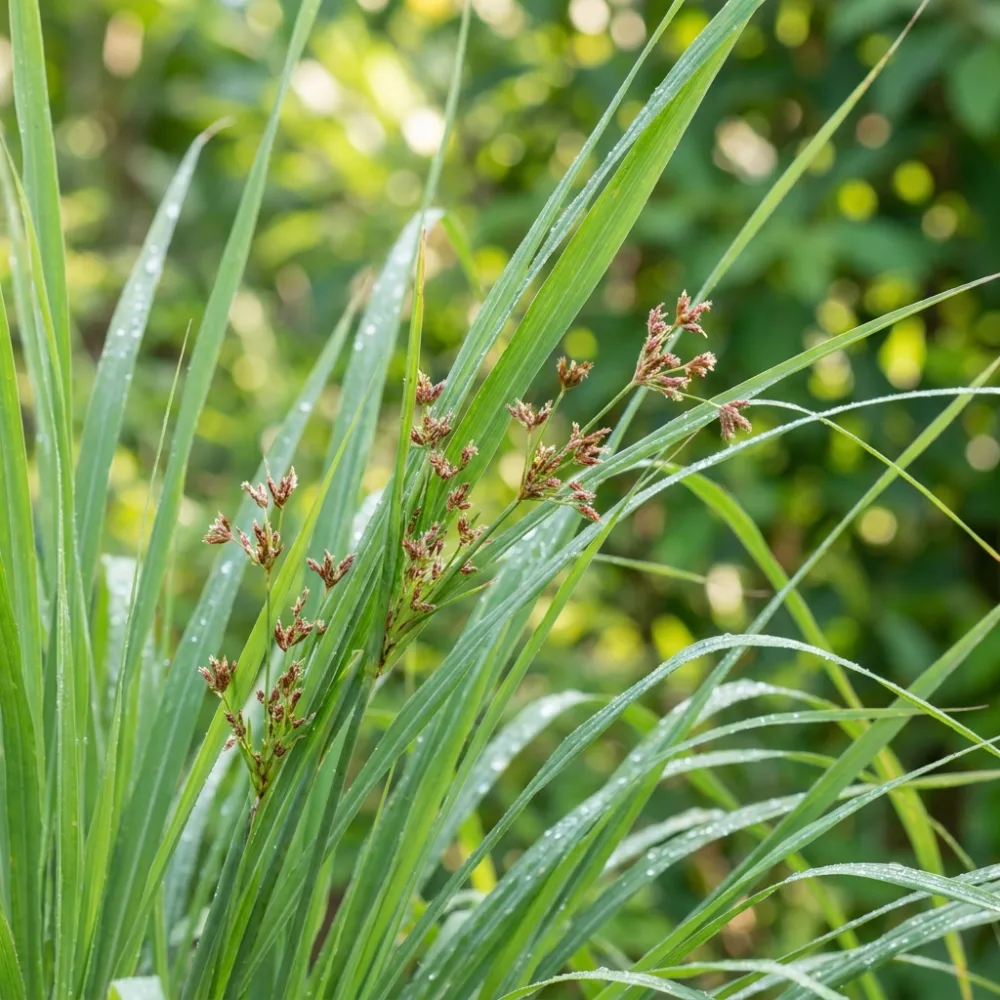
Natural insect repellents are one of the most popular reasons people buy essential oils, and one of the areas where honest expectations matter most. Several oils genuinely deter insects; the catch is that they wear off far faster than synthetic repellents, so they need frequent reapplication. Here’s what works.
The classic repellent oils
- Citronella, the best-known natural mosquito deterrent, with documented repellent and antifungal activity; effective but short-lived.
- Lemongrass, a close citral-rich relative of citronella with similar deterrent use (composition).
- Geranium, its citronellol/geraniol profile makes it a common repellent-blend ingredient (composition).
The wardrobe and household deterrents
- Cedarwood, long used against moths and pantry pests (composition).
- Patchouli, traditionally used to protect fabrics from insects (composition).
- Kunzea, an Australian bush oil that’s even been studied for head-lice control.
- Canadian Fleabane, named for its traditional insect-repelling reputation, a limonene-rich oil (composition).
Honest expectations
- They wear off fast. Natural repellents evaporate quickly and need reapplying every 30–60 minutes, synthetic repellents like DEET or picaridin last far longer.
- In a high-risk area (malaria, dengue, Lyme), a proven synthetic repellent is the responsible choice; treat essential oils as a pleasant everyday deterrent, not disease protection.
- Dilute for skin, several of these (citronella, lemongrass, geranium) contain allergens; patch-test.
- Great for candles and diffusing on a patio to reduce nuisance biting.
A simple outdoor blend
For a diffuser or a well-diluted (2–3%) skin blend for casual use:
- 2 drops citronella
- 2 drops lemongrass
- 1 drop geranium
Bottom line
Citronella, lemongrass, geranium, cedarwood, patchouli, and kunzea genuinely deter insects, just not for long. Use them freely for everyday nuisance biting and reapply often, but reach for a proven synthetic repellent where insect-borne disease is a real risk.
References
- Citronella composition and antifungal/repellent potential (2021), Journal of Essential Oil Bearing Plants. doi:10.1080/0972060x.2021.1942231
- Lemongrass composition and citral (2012), African Journal of Biotechnology. doi:10.5897/ajb11.2939
- Geranium oil composition (2015), Phytothérapie. doi:10.1007/s10298-015-0950-2
- Atlas cedarwood oil (2004), Journal of Essential Oil Research. doi:10.1080/10412905.2004.9698793
- Patchouli oil composition (2010), Journal of Essential Oil Research. doi:10.1080/10412905.2010.9700346
- Tasmanian Kunzea ambigua oil (2010), Journal of Essential Oil Research. doi:10.1080/10412905.2010.9700351
- Conyza canadensis oil (2000), Journal of Essential Oil Research. doi:10.1080/10412905.2000.9712214
This article is educational and not medical advice. In areas with insect-borne disease, use a proven repellent.