
The Journal 2 min read
The Best Essential Oils for Sleep and Calm, Ranked by Evidence
Lavender leads the pack, but roman chamomile, valerian, cedarwood, vetiver and clary sage all feature in wind-down blends. Here's what the evidence supports and how to build a bedtime blend.
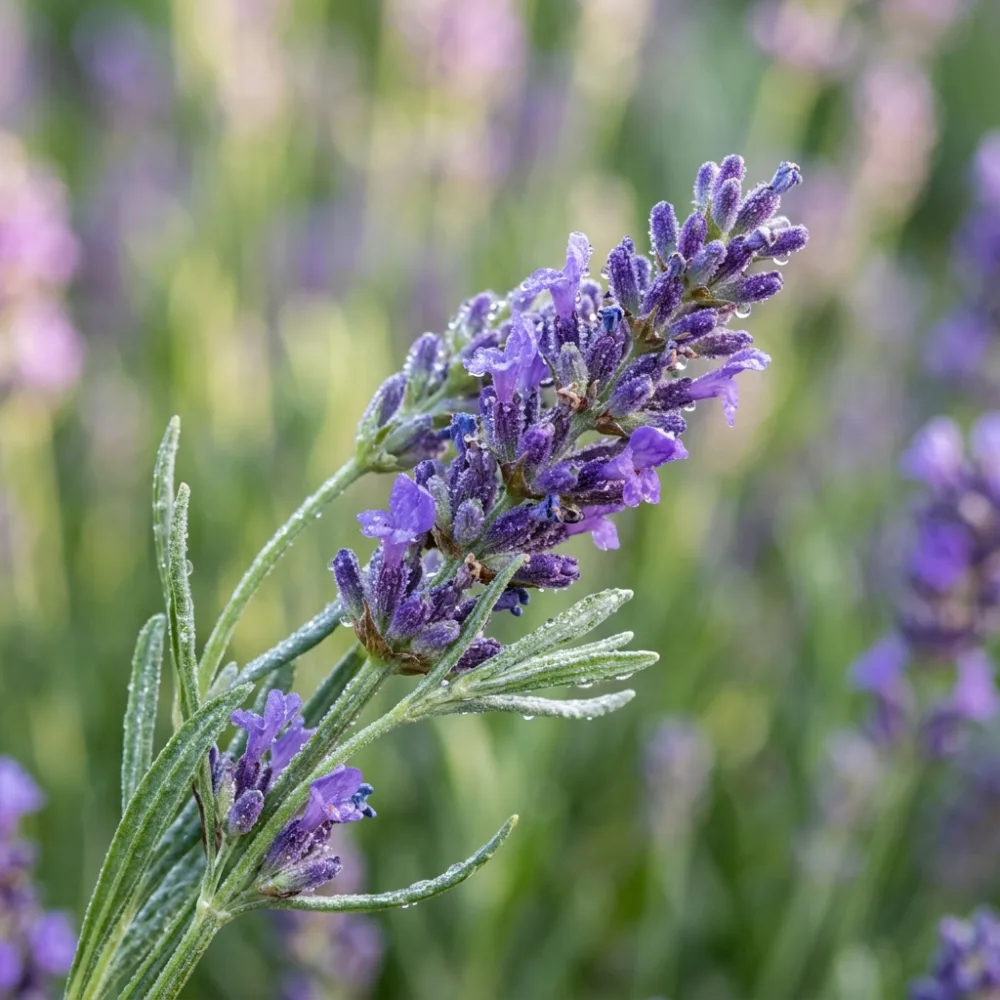
“Relaxing” is the most-claimed benefit in all of aromatherapy, so it pays to know which sleep-and-calm oils actually have research behind them and which rest on tradition. Here’s an honest ranking, plus how to combine them into a bedtime blend.
The best-evidenced: lavender
Lavender stands alone at the top, it’s the one calming oil with a real (if modest) body of trials behind it, including improved reported sleep quality in hospital patients. See our full does lavender help you sleep deep dive.
The traditional wind-down oils
Well-loved, gentle, and pleasant, but their calming reputations are largely traditional rather than clinically proven:
- Roman Chamomile, an ester-rich, apple-sweet, genuinely gentle oil (composition).
- Clary Sage, ester-rich and soothing (avoid earlier in pregnancy) (composition).
- Marjoram, soft, warm, and comforting sweet marjoram (composition).
- Valerian, deeply earthy; note its sleep research is on oral extracts, not the inhaled oil (composition).
The grounding base notes
Not sedatives, but their heavy, grounding character makes a bedtime blend feel calmer and last longer:
- Cedarwood, warm, dry wood (composition).
- Vetiver, deep, earthy, tenacious (composition).
A simple bedtime blend
In a diffuser, 30–60 minutes before bed:
- 3 drops lavender (the anchor)
- 1 drop roman chamomile or clary sage (softness)
- 1 drop cedarwood or vetiver (grounding base)
Keep it light, sleep blends work best subtle, not overpowering.
Bottom line
Lavender is the evidence leader for sleep; roman chamomile, clary sage, marjoram, and valerian add gentle, traditional calm; and cedarwood or vetiver ground the blend. Build around lavender, keep it subtle, and treat aromatherapy as a wind-down cue, not a substitute for treating a real sleep disorder.
References
- Mahdavikian et al. (2020), lavender and sleep quality, Sleep Science and Practice. doi:10.1186/s41606-020-00047-x
- Roman chamomile composition (1998), Journal of Essential Oil Research. doi:10.1080/10412905.1998.9700974
- Clary sage composition (2013), Journal of Essential Oil Research. doi:10.1080/10412905.2012.742467
- Sweet marjoram composition (1999), Food Chemistry. doi:10.1016/s0308-8146(98)00018-1
- Valerian essential oil (2009), Journal of Essential Oil Research. doi:10.1080/10412905.2009.9700206
- Atlas cedarwood oil (2004), Journal of Essential Oil Research. doi:10.1080/10412905.2004.9698793
This article is educational and not medical advice.