
The Journal 2 min read
Kitchen-Garden Herb Oils: Basil, Marjoram, Thyme, Sage and Clary Sage
The culinary herbs make some of the most useful, and most misunderstood, essential oils. Here's how basil, marjoram, thyme, sage and clary sage differ, and which need real caution.
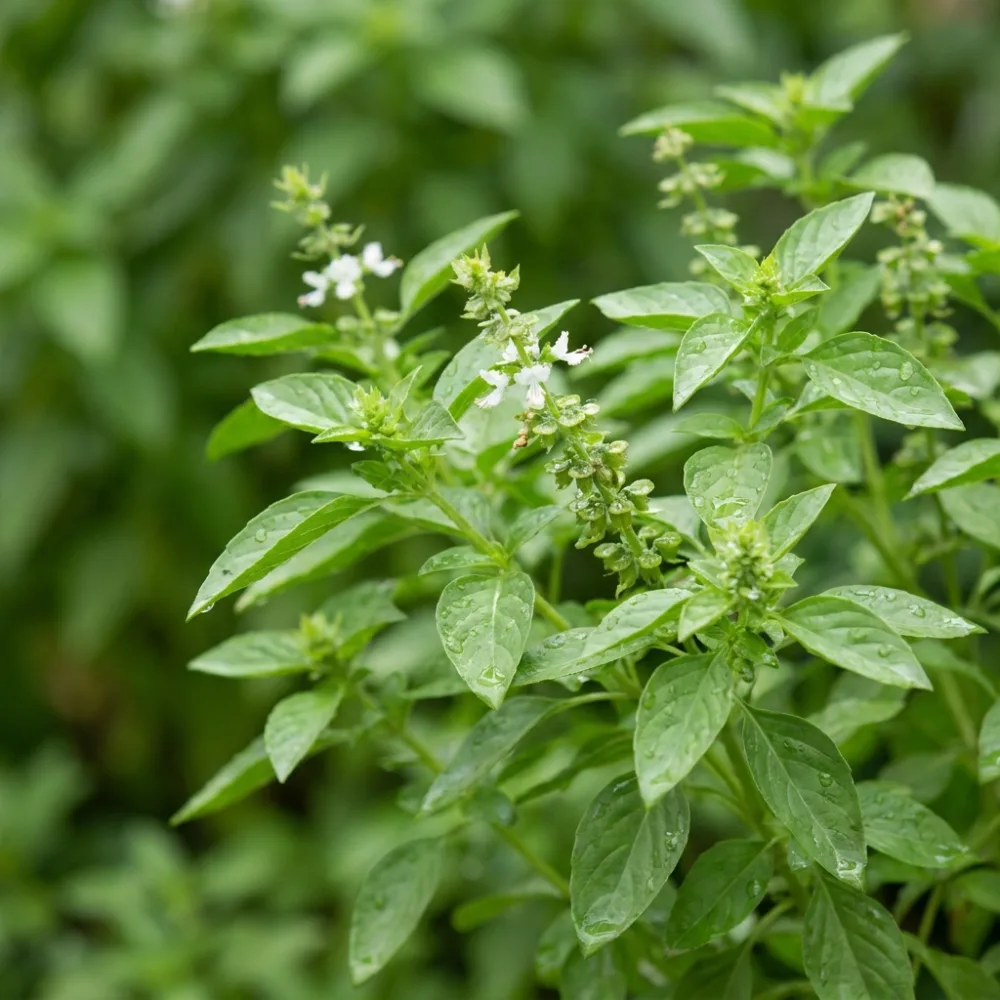
The herbs on your windowsill become some of aromatherapy’s most useful oils, but the jump from culinary herb to concentrated essential oil changes the safety picture completely. A pinch of sage in stuffing is nothing like sage essential oil. Here’s how the kitchen-garden oils sort out.
The gentle, versatile herbs
- Basil, choose the linalool chemotype (sweet basil); it’s the gentler option, while the “exotic” estragole type is flagged for caution (composition).
- Marjoram, sweet marjoram is a soft, terpinen-4-ol-led oil, one of the gentler herb oils (composition), quite unlike its harsh cousin oregano.
- Clary Sage, ester-rich and calming (linalyl acetate), and importantly not the same as common sage (composition). Traditionally reserved for labour, so avoided earlier in pregnancy.
The potent herbs, use with care
- Thyme, the common thymol chemotype is a strong phenol oil; for skin, choose the gentler linalool chemotype (composition & chemotypes).
- Sage (common/Dalmatian), high in neurotoxic thujone; the cautionary one, avoided in pregnancy and epilepsy (composition). Don’t confuse it with clary sage.
The name-trap pairs
Herb oils are full of confusing near-namesakes, get these right:
- Marjoram vs Oregano, sweet marjoram is gentle (terpinen-4-ol); oregano is harsh (carvacrol). Not interchangeable.
- Sage vs Clary Sage, common sage is thujone-rich and cautionary; clary sage is gentle. Different oils entirely.
- Sweet vs exotic basil, linalool type (gentle) vs estragole type (caution).
How to use them
- Dilute for skin, and prefer the gentler chemotypes (linalool thyme, sweet basil).
- Check the botanical name and chemotype on every label, with herb oils it genuinely changes the safety.
- Diffuse the potent ones (thyme, sage) sparingly rather than applying them.
Bottom line
The herb oils span the gentle (sweet basil, marjoram, clary sage) and the genuinely potent (thymol thyme, common sage). The recurring lesson is names: marjoram isn’t oregano, clary sage isn’t sage, and the chemotype on the label decides how carefully you should treat the bottle.
References
- Basil (Ocimum basilicum) composition (2023), International Journal of Secondary Metabolite. doi:10.21448/ijsm.1230316
- Sweet marjoram oil composition (1999), Food Chemistry. doi:10.1016/s0308-8146(98)00018-1
- Clary sage oil composition (2013), Journal of Essential Oil Research. doi:10.1080/10412905.2012.742467
- Thyme oil composition (2003), Journal of Essential Oil Research. doi:10.1080/10412905.2003.9712103
- Common sage oil composition (2000), Journal of Essential Oil Research. doi:10.1080/10412905.2000.9712048
This article is educational and not medical advice.