
The Journal 2 min read
Woody Base-Note Oils: Sandalwood, Vetiver, Patchouli, Palo Santo and Cedarwood
The deep, grounding base notes that anchor a blend and last for hours. Here's what's in sandalwood, vetiver, patchouli, palo santo and cedarwood, and how to use them.
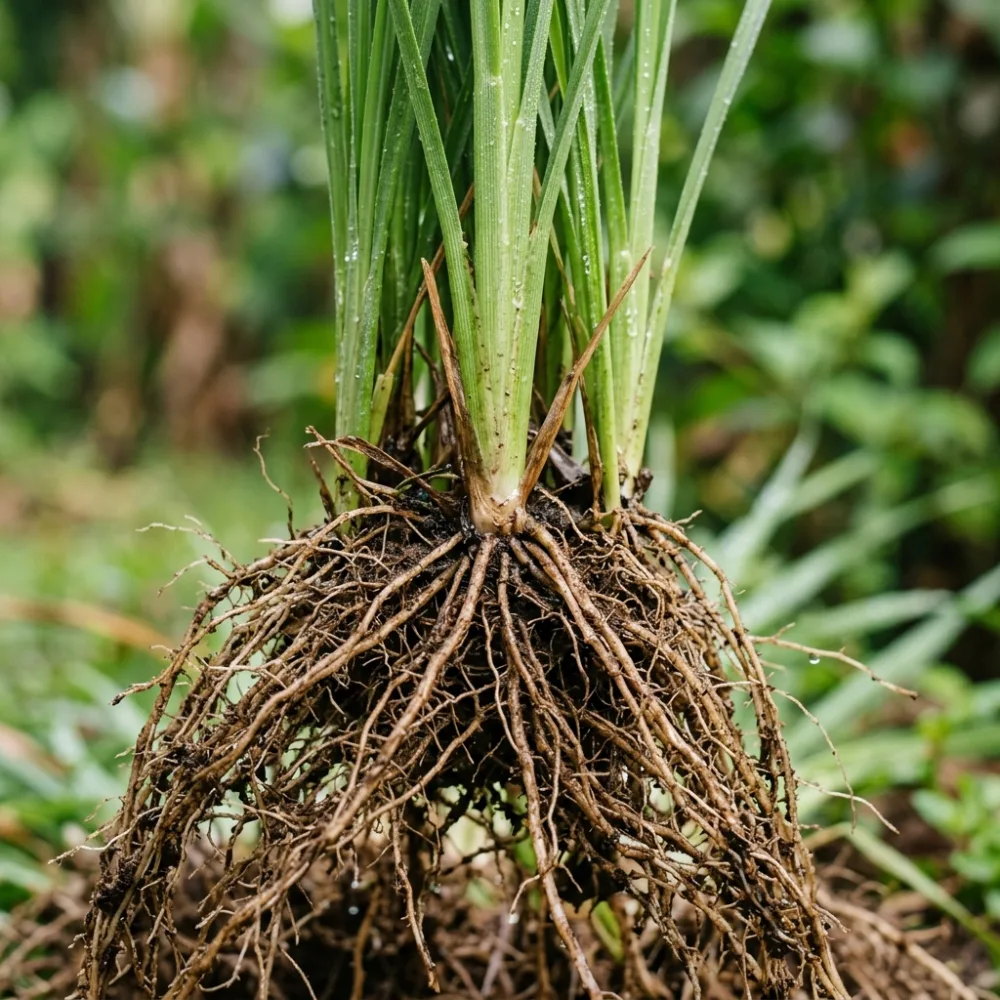
Base notes are the foundation of a good blend, the slow, heavy, long-lasting aromas that everything else sits on top of. Most come from woods and roots dense with sesquiterpenes, which is why they’re viscous, tenacious, and prized as fixatives in perfumery. Here’s the grounding-oil lineup.
The roots and heavy woods
- Vetiver, a root oil and one of the most chemically complex of all, led by khusimol and the vetivones (cultivar study). Deep, earthy, smoky; a superb fixative. So thick you may need to warm the bottle.
- Patchouli, leaf-distilled but heavy, defined by patchoulol (composition). Unusually, it improves with age.
- Royal Hawaiian Sandalwood, santalol-rich heartwood (Santalum paniculatum), creamy and soft, from a sustainably managed source (composition).
The cedars and bright woods
- Cedarwood, Atlas cedarwood, himachalene-rich, warm and dry (composition).
- Palo Santo, unusual for a “wood” in being limonene-dominant, so it’s bright and sweet over a resinous base (composition). Choose sustainably harvested, naturally fallen wood.
- Hinoki, Japanese cypress wood, sesquiterpene-rich, central to forest-bathing traditions (study).
How to use base notes
- Anchor a blend. A drop or two of vetiver, patchouli, or sandalwood makes a citrus-or-floral blend last far longer.
- Go small. These are potent and tenacious, easy to overdo.
- They age gracefully. Unlike citrus oils, woody base notes are stable and often deepen over time.
- Dilute for skin. All are gentle and non-phototoxic, but still use a carrier.
Bottom line
Vetiver, patchouli, sandalwood, cedarwood, palo santo, and hinoki are the grounding foundation of aromatherapy blending, long-lasting, sesquiterpene-rich, and gentle. Use them sparingly as the base your brighter oils rest on.
References
- Vetiver cultivar study (1991), Journal of Essential Oil Research. doi:10.1080/10412905.1991.9697986
- van Beek & Joulain (2010), patchouli oil composition, Journal of Essential Oil Research. doi:10.1080/10412905.2010.9700346
- Hawaiian sandalwood oil composition (2014), Natural Product Communications. doi:10.1177/1934578x1400900936
- Chalchat & Garry (2004), Atlas cedarwood oil, Journal of Essential Oil Research. doi:10.1080/10412905.2004.9698793
- Bursera graveolens (palo santo) composition (2022), BLACPMA. doi:10.37360/blacpma.22.21.4.28
- Hinoki (Chamaecyparis obtusa) oil (2015), PLOS ONE. doi:10.1371/journal.pone.0143450
This article is educational and not medical advice.