
The Journal 2 min read
Citral-Rich Lemony Oils and Skin Sensitisation: Use Them Right
Lemongrass, lemon myrtle, melissa and more get their bright lemon scent from citral, a wonderful aroma compound that's also a known skin sensitiser. Here's how to enjoy them safely.
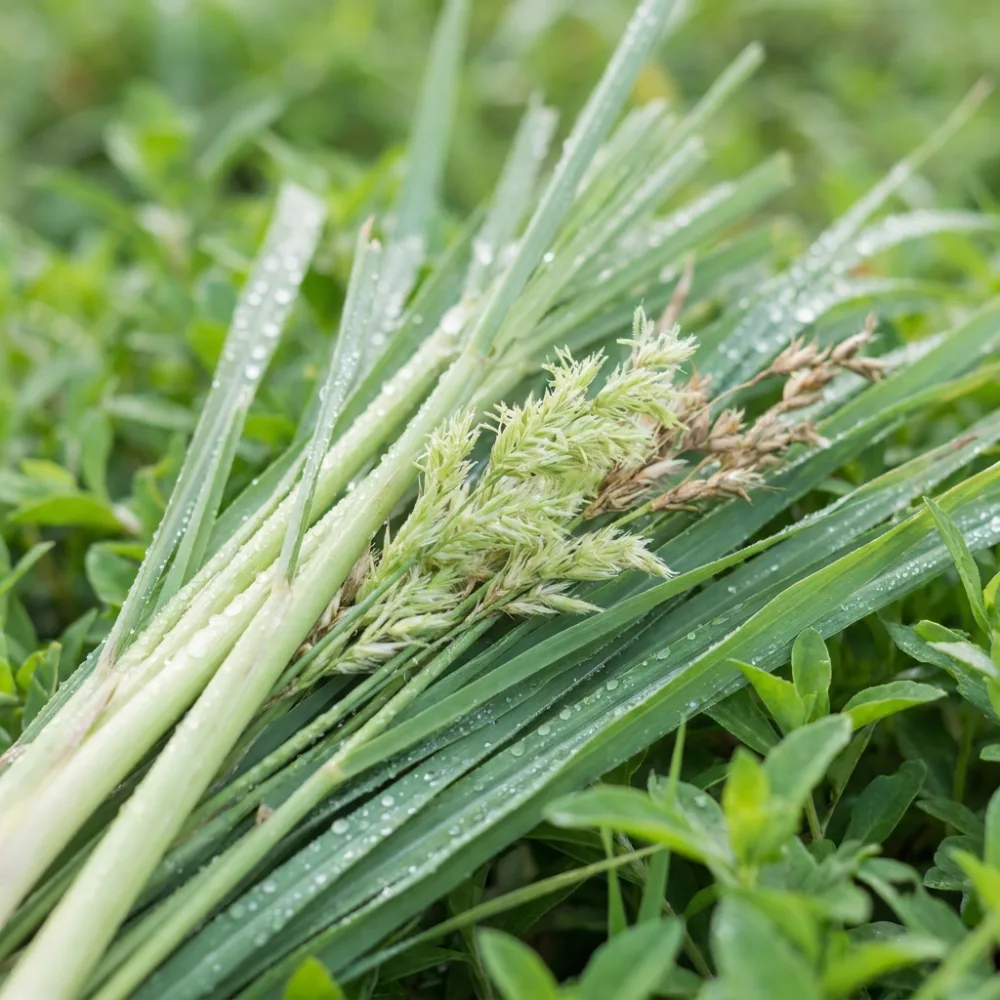
Several of the most intensely “lemony” essential oils don’t come from citrus at all, they come from grasses and herbs rich in citral. Citral (a pair of aldehydes, geranial and neral) smells wonderfully fresh and true-to-lemon, and it’s studied for antimicrobial activity. It’s also one of the better-documented skin sensitisers among essential-oil constituents, which is why these oils reward a careful hand.
Why citral needs respect
Citral is prone to causing skin sensitisation, so citral-rich oils are best used at low dilution (often around 0.7% on skin) with a patch test first. None of these are phototoxic, the caution is about sensitisation, not sunlight, but the higher the citral, the lower you should dilute.
The citral-rich oils, roughly by strength
- Lemon Myrtle, the most citral-rich of all, often 90%+, as a review of Backhousia citriodora documents; a toxicity study confirmed the need to keep it low.
- Lemongrass, a classic citral oil (two-thirds or more citral), per composition work.
- Xiang Mao, another lemongrass (Cymbopogon); treat like lemongrass.
- Melissa, citral-rich lemon balm; genuine melissa is rare and often adulterated, per compositional studies.
- Mastrante, its citral chemotype is lemony (a separate carvone chemotype exists).
- Citronella, citronellal/geraniol-led rather than pure citral, but in the same lemony, allergen-containing family.
How to use them without irritation
- Dilute low, start around 0.5–0.7% on skin, and patch-test on the inner forearm first.
- Prefer diffusing for the bright, uplifting scent, airborne use sidesteps the skin concern entirely.
- Blend, don’t dominate, a drop of lemon myrtle goes a very long way.
- Buy genuine, melissa especially is often cut with cheaper lemongrass or citronella; check the botanical name.
Lemony but not citral
Worth knowing: lemon and lemon verbena smell lemony for different reasons, lemon is limonene-rich (and phototoxic), lemon verbena carries citral and a phototoxicity flag. So “smells like lemon” doesn’t mean “same safety profile.”
Bottom line
Citral gives these oils their gorgeous true-lemon scent and real antimicrobial interest, but it’s a recognised sensitiser, so keep dilutions low, patch-test, and lean on diffusing. Lemon myrtle is the one to treat with the most restraint.
References
- Review of Backhousia citriodora (lemon myrtle) (2021), Foods. doi:10.3390/foods10071596
- Toxicity of Backhousia citriodora oil (2002), Food and Chemical Toxicology. doi:10.1016/s0278-6915(01)00103-x
- Ekpenyong et al. (2012), lemongrass composition and citral, African Journal of Biotechnology. doi:10.5897/ajb11.2939
- Composition of melissa (lemon balm) oil (2014), Industrial Crops and Products. doi:10.1016/j.indcrop.2013.10.020
This article is educational and not medical advice.