
The Journal 2 min read
Essential Oils to Use Cautiously in Pregnancy, and Gentler Swaps
Some essential oils are traditionally avoided in pregnancy because of neurotoxic ketones, phenols, or other potent constituents. Here's the cautious list and gentler alternatives.
Pregnancy is the one time it’s worth being conservative with essential oils. The evidence base is thin, so aromatherapy practice leans cautious, and a handful of oils are traditionally avoided outright because of potent constituents like neurotoxic ketones, high phenols, or compounds with a mild hormone-like reputation. This is a general-guidance overview, not medical advice: always check with your midwife or doctor.
Why these oils get flagged
The usual reasons are specific constituents:
- Neurotoxic ketones (thujone, pinocamphone, high camphor), a seizure-and-toxicity concern.
- Strong phenols (carvacrol, eugenol, cinnamaldehyde), harsh and irritating.
- Compounds with an estrogen-like reputation (trans-anethole) or abortifacient history.
Oils commonly avoided in pregnancy
- Sage (common/Dalmatian), high in neurotoxic thujone (composition). The classic “avoid” oil.
- Hyssop, the common chemotype is high in pinocamphone, which can trigger seizures (composition).
- Wintergreen, almost pure methyl salicylate (aspirin-like), toxic if ingested (phytochemistry).
- Rue, phototoxic and toxic, with an abortifacient history (composition).
- Fennel, high in trans-anethole, which has a mild estrogen-like reputation (composition).
- Nutmeg, contains myristicin, best avoided in concentrated form (composition).
Oils often used cautiously (professional guidance)
These aren’t always outright banned, but are typically used sparingly and with guidance:
- Clary Sage, traditionally reserved for labour, avoided earlier in pregnancy.
- Rosemary, the camphor chemotype especially.
- Juniper, Myrrh, and Davana, traditionally avoided.
- The harsh spice phenols, cinnamon bark, cassia, clove, oregano, better skipped for skin use.
Gentler swaps that are widely considered pregnancy-friendly
When diluted and used sensibly (and cleared with your care provider):
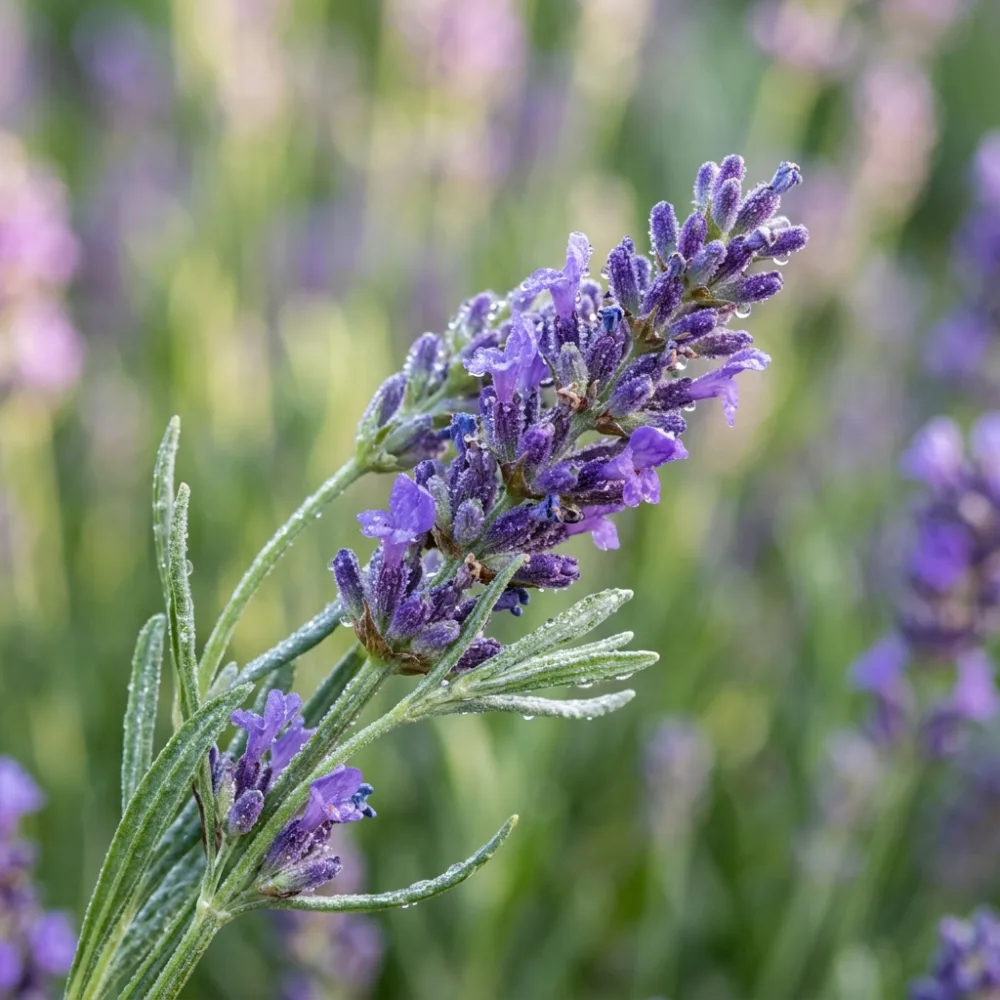
- Lavender for calm and sleep.
- Citrus oils like sweet orange and tangerine for a lift (mind phototoxic ones on skin).
- Ginger for its settling, warm aroma.
- Petitgrain as a gentle, calming floral-green.
Bottom line
A short list of oils, sage, hyssop, wintergreen, rue, fennel, nutmeg, is best avoided in pregnancy because of potent constituents, and several others are used only with professional guidance. Lean on gentle, well-understood oils like lavender, citrus, and ginger instead, and always confirm with your midwife or doctor first.
References
- Common sage oil composition (2000), Journal of Essential Oil Research. doi:10.1080/10412905.2000.9712048
- Hyssop oil composition (2016), Journal of Essential Oil Research. doi:10.1080/10412905.2016.1153001
- Phytochemistry of Gaultheria (wintergreen) (2024), International Journal of Molecular Sciences. doi:10.3390/ijms25010565
- Tunisian Ruta graveolens essential oil (2012), Journal of Essential Oil Bearing Plants. doi:10.1080/0972060x.2012.10644047
- Fennel essential oil content and composition (2011), Journal of Essential Oil Bearing Plants. doi:10.1080/0972060x.2011.10643978
- Nutmeg oil composition (2003), Journal of Essential Oil Bearing Plants. doi:10.1080/0972-060x.2003.10643323
This article is educational and not medical advice. Always consult your midwife, doctor, or a qualified aromatherapist before using essential oils during pregnancy.