
The Journal 2 min read
The Most Hazardous Essential Oils, and How to Handle Them Knowledgeably
A few essential oils are genuinely risky: wintergreen, rue, common sage, hyssop and more. Here's what makes them dangerous, who must avoid them, and how to use them (if at all) safely.
Most essential oils are safe when diluted sensibly. A small number are genuinely hazardous, toxic if ingested, neurotoxic, or dangerous for specific groups. Knowing this short list is one of the most useful things in aromatherapy. This is educational, not a how-to: several of these are best left to professionals or avoided.
The ingestion-toxicity risk
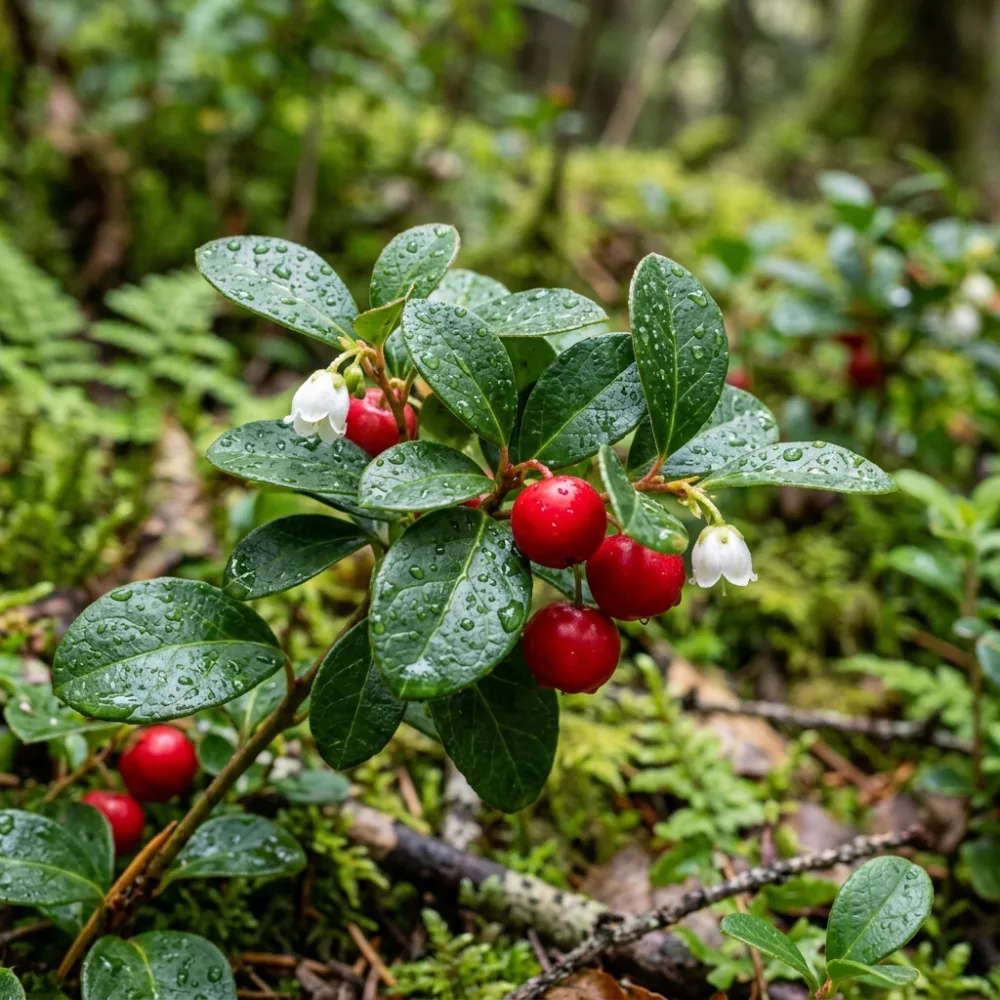
- Wintergreen, almost pure methyl salicylate, chemically related to aspirin and highly toxic if swallowed; a small amount can seriously harm a child. Keep it strictly out of reach, avoid with blood thinners and salicylate sensitivity, and never ingest it.
- Rue, phototoxic and toxic, with an abortifacient history. A specialist oil at best.
The neurotoxic-ketone risk
- Common Sage, high in thujone, a neurotoxic ketone (composition). Avoid in pregnancy and epilepsy; don’t confuse with gentle clary sage.
- Hyssop, the common chemotype is high in pinocamphone, which can trigger seizures (composition). Choose the gentler linalool chemotype if any.
- Nutmeg, contains myristicin, toxic and psychoactive in large amounts (composition).
The estrogen-reputation and harsh-phenol risks
- Fennel, high in trans-anethole; avoided in pregnancy and estrogen-sensitive conditions (composition).
- Cinnamon Bark, Cassia, Oregano and Ecuadorian Oregano, not “toxic” but severe skin/mucous-membrane irritants; never neat, and don’t self-prescribe internally (see the hottest oils).
The universal rules for risky oils
- Never ingest essential oils without qualified supervision, wintergreen especially can be lethal to children.
- Respect pregnancy, epilepsy, and medication cautions, these aren’t marketing disclaimers.
- Keep everything out of reach of children and pets.
- When in doubt, choose a gentler alternative, clary sage over sage, linalool thyme over thymol thyme, sweet marjoram over oregano.
Bottom line
Wintergreen, rue, common sage, hyssop, nutmeg, and fennel are the oils that genuinely demand caution, and the phenol powerhouses demand respect on skin. Learn this short list, keep them locked away from children, never ingest them casually, and reach for gentler swaps whenever you can.
References
- Phytochemistry of Gaultheria (wintergreen) (2024), International Journal of Molecular Sciences. doi:10.3390/ijms25010565
- Tunisian Ruta graveolens essential oil (2012), Journal of Essential Oil Bearing Plants. doi:10.1080/0972060x.2012.10644047
- Common sage oil composition (2000), Journal of Essential Oil Research. doi:10.1080/10412905.2000.9712048
- Hyssop oil composition (2016), Journal of Essential Oil Research. doi:10.1080/10412905.2016.1153001
- Nutmeg oil composition (2003), Journal of Essential Oil Bearing Plants. doi:10.1080/0972-060x.2003.10643323
- Fennel oil composition (2011), Journal of Essential Oil Bearing Plants. doi:10.1080/0972060x.2011.10643978
This article is educational and not medical advice. If a hazardous oil is ingested, contact your local poison control immediately.