
The Journal 2 min read
The Hottest Essential Oils: Oregano, Thyme and the Phenol Powerhouses
Oregano, thyme, clove, cinnamon and cassia are the strongest antimicrobial oils in the lab, and the harshest on skin. Here's the phenol chemistry and how to handle them safely.
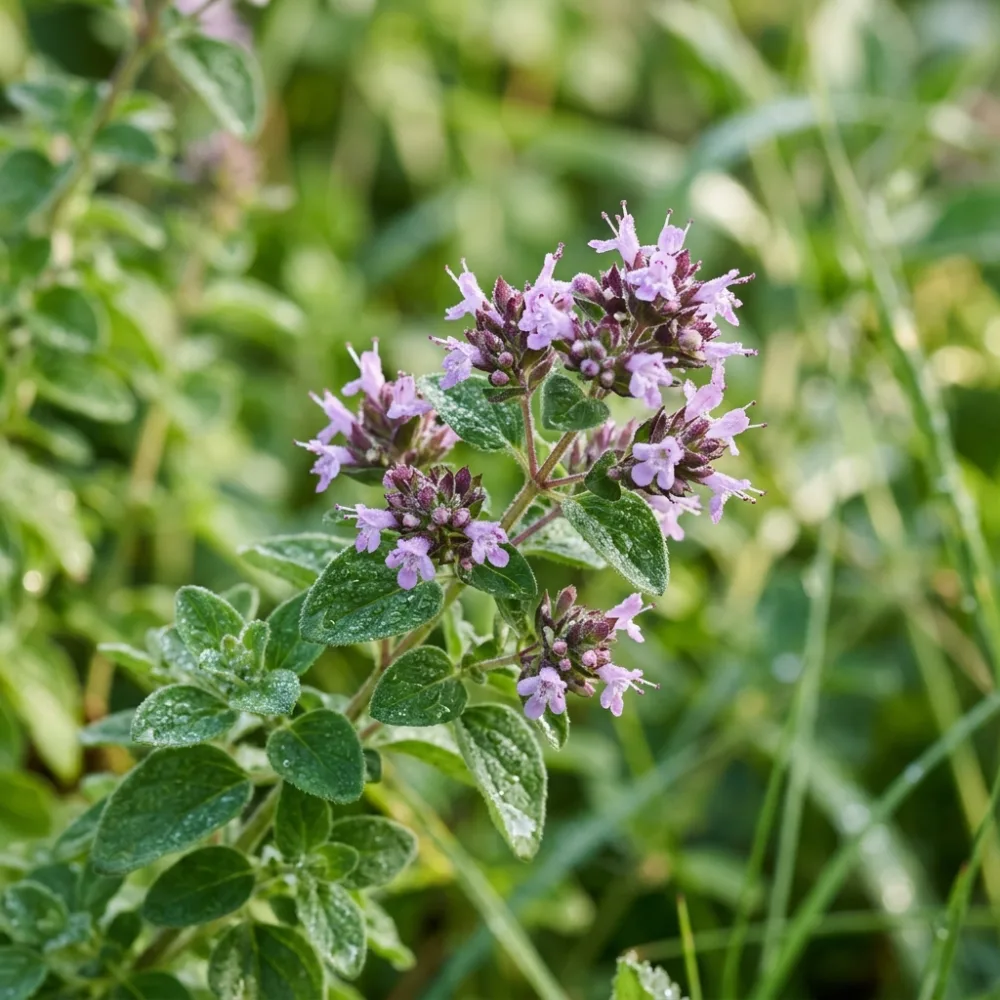
A small group of oils dominates every “most antimicrobial essential oil” study, and it’s the same group that causes the most skin burns and irritation. The reason is their chemistry: they’re loaded with phenols and aldehydes (carvacrol, thymol, eugenol, cinnamaldehyde). Powerful in a lab dish, and powerful on your skin. Here’s how to respect them.
Why these oils are both potent and harsh
Phenols like carvacrol and thymol, and the aldehyde cinnamaldehyde, disrupt microbial membranes, which is why these oils shine in laboratory antimicrobial testing. The same reactivity irritates human skin and mucous membranes, so the rule across this whole group is: never neat, dilute heavily, patch-test, and keep away from eyes/nose/mouth.
The carvacrol oils
- Oregano, ~70% carvacrol, one of the “hottest” oils (composition).
- Ecuadorian Oregano, an oregano grown in Ecuador, same carvacrol-rich profile and same cautions.
The thymol oil
- Thyme, the common chemotype is thymol-rich and harsh; the linalool chemotype is far gentler for skin (composition & chemotypes).
The aldehyde and eugenol oils
- Clove, ~80% eugenol, a strong sensitiser (composition).
- Cinnamon Bark and Cassia, cinnamaldehyde-dominant and among the very harshest oils on skin.
The “don’t self-prescribe internally” warning
You’ll see these oils, oregano especially, promoted for taking internally to “fight infection.” Be careful: the antimicrobial evidence is in vitro, not proof it works in the body, and the undiluted oils strongly irritate the mouth, throat, and gut. Don’t improvise internal use; talk to a qualified professional.
How to actually use them
- Diffuser-only for most people, a single drop, well outnumbered by citrus or gentle oils.
- If used on skin, dilute to a fraction of a percent and patch-test.
- Choose gentler chemotypes/relatives where they exist, linalool thyme instead of thymol thyme, sweet marjoram instead of oregano.
Bottom line
Oregano, thyme, clove, cinnamon, and cassia are the phenol powerhouses: impressive in the lab, harsh in real life. Treat them as potent specialist oils, diffuse a drop, dilute heavily if used on skin, and don’t self-prescribe them internally.
References
- Carvacrol-rich oregano oil (2021), Frontiers in Microbiology. doi:10.3389/fmicb.2021.741861
- Oregano composition and activity (2025), Pharmaceuticals. doi:10.3390/ph18020267
- Thyme composition and chemotypes (2003), Journal of Essential Oil Research. doi:10.1080/10412905.2003.9712103
- Clove oil composition (2023), Molecules. doi:10.3390/molecules28062421
This article is educational and not medical advice.