
The Journal 3 min read
Peppermint Oil and IBS: What the Evidence Really Says
Peppermint oil is one of the few essential oils with genuine clinical trials behind it, for irritable bowel syndrome. Here's what the studies show, how it works, and the safety catch.
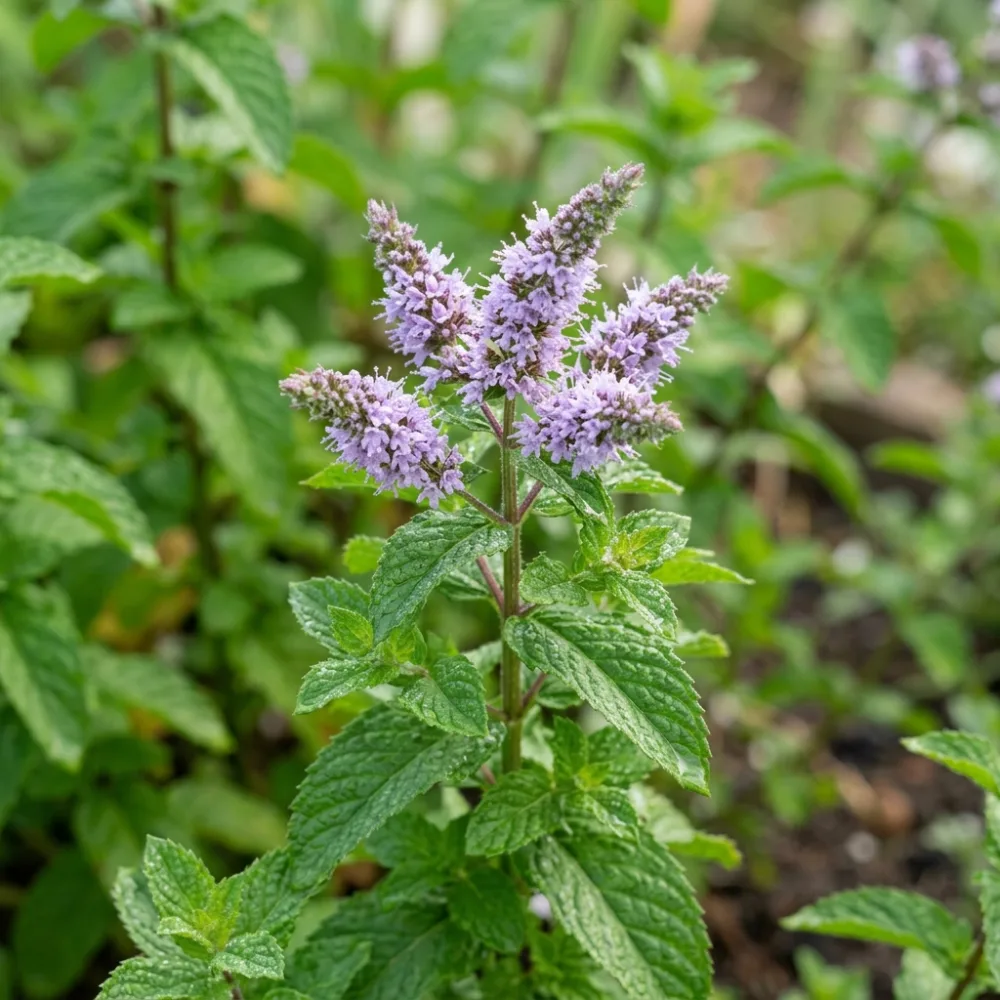
Most essential-oil health claims rest on lab dishes and tradition. Peppermint oil for irritable bowel syndrome (IBS) is one of the rare exceptions with actual human trials, including the kind of enteric-coated capsules used under medical guidance. Here’s an honest look at what the evidence supports, and what it doesn’t.
Why peppermint, specifically
Steam-distilled peppermint (Mentha × piperita) is dominated by menthol and menthone, as composition studies confirm. Menthol is the key: it activates the cold-sensing TRPM8 receptor, the same one that makes peppermint feel cool, and it also has a relaxing effect on smooth muscle. That antispasmodic action on the gut wall is the plausible mechanism behind its use in IBS, and menthol’s receptor activity is well characterised in neuroscience research.
The clinical evidence
This is where peppermint stands out. A randomized, double-blind, placebo-controlled trial found that enteric-coated peppermint-oil capsules reduced IBS symptoms significantly versus placebo. And peppermint oil has held up in broader analyses too, a BMJ meta-analysis of fibre, antispasmodics, and peppermint oil in IBS concluded peppermint oil was effective for symptom relief.
That’s a genuinely strong position for a plant oil. But note the important detail: these trials use enteric-coated capsules designed to release peppermint oil in the intestine, taken under guidance, not drops swallowed at home, and not aromatherapy.
What this does not mean
- Diffusing peppermint won’t treat IBS, the gut benefit needs the oil to reach the intestine.
- Swallowing neat peppermint oil is not the same as a controlled enteric capsule and can cause heartburn or irritation.
- Peppermint oil is not a replacement for medical assessment of ongoing gut symptoms, those always deserve a proper diagnosis first.
The safety catch
Peppermint is potent. Safety reviews such as the Mentha piperita safety assessment flag menthol’s issues: it can cause heartburn, and, importantly, menthol-rich oils should be kept away from the faces and chests of infants and young children, where they can cause breathing problems. Dilute well for skin, and never give essential-oil capsules to children.
Sensible uses at home
- For a cooling, alertness-style aroma: diffuse a few drops (great as a daytime counterpart to lavender at night).
- For tired muscles: a drop or two well diluted in a carrier oil.
- For IBS specifically: talk to a pharmacist or doctor about proper enteric-coated peppermint capsules rather than improvising with drops.
Bottom line
Peppermint oil for IBS is one of the best-evidenced uses of any essential oil, but the evidence is for enteric-coated capsules under guidance, not for diffusing or swallowing drops. Respect the menthol, keep it away from young children, and treat persistent gut symptoms as a reason to see a professional.
For the full sourced chemistry and safety panel, see our complete Peppermint profile. For its calming night-time opposite, see does lavender oil help you sleep.
References
- Goudarzian et al. (2020), composition of peppermint oil, Journal of Essential Oil Bearing Plants. doi:10.1080/0972060x.2020.1828177
- Andersson et al. (2004), menthol and the TRPM8 receptor, Journal of Neuroscience. doi:10.1523/jneurosci.0890-04.2004
- Cappello et al. (2007), peppermint oil in IBS (RCT), Digestive and Liver Disease. doi:10.1016/j.dld.2007.02.006
- BMJ meta-analysis, fibre, antispasmodics and peppermint oil in the treatment of IBS (2008). doi:10.1136/bmj.b1881
- Final Report on the Safety Assessment of Mentha Piperita (2001), International Journal of Toxicology. doi:10.1080/10915810152902592
This article is educational and not medical advice. Persistent digestive symptoms should be assessed by a qualified healthcare professional.