
The Journal 2 min read
Floral Oils for Calm and Skin: Rose, Jasmine, Neroli, Ylang Ylang and More
The floral oils are the luxury end of aromatherapy, rose, jasmine, neroli, ylang ylang, geranium and the chamomiles. Here's what they cost, why, and how their chemistry differs.
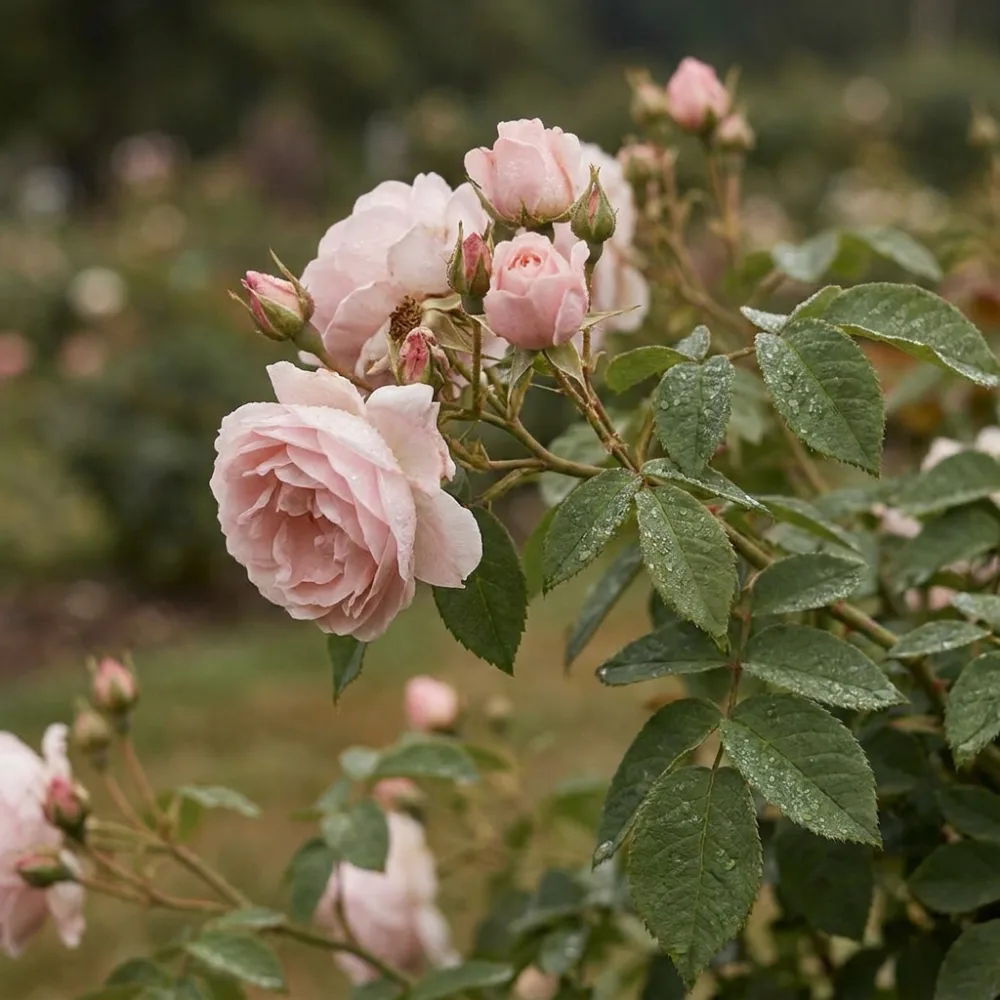
Floral oils are the most romantic, and often the most expensive, corner of aromatherapy, because it takes an enormous quantity of delicate blossoms to produce a tiny amount of oil. Here’s a tour of the florals, what makes each distinct, and where you can get a similar effect for less.
The precious florals
- Rose, steam-distilled rose otto is built on citronellol and geraniol (composition); the solvent-extracted absolute is richer in phenylethyl alcohol. Famously pricey.
- Jasmine, a solvent-extracted absolute (the blossoms can’t be distilled), dominated by benzyl acetate with a trace of heady indole (review).
- Neroli, distilled from bitter-orange blossoms, a soft linalool-rich floral (composition), and, unlike bitter-orange peel, not phototoxic.
The rosy, affordable alternatives
Want that rose-geranium character without the rose-otto price? These share the same key alcohols:
- Geranium and Geranium Bourbon, citronellol/geraniol-rich, the classic “poor man’s rose” (composition).
- Palmarosa, a grass that’s ~80% geraniol, so it smells remarkably rosy (antibacterial/composition study).
The heady and the soothing
- Ylang Ylang, intensely sweet and floral, graded by distillation fraction (Extra to III), built on linalool, esters and sesquiterpenes (review). A little goes a long way.
- Roman Chamomile, an unusual, gentle ester-rich oil (angelate esters) with an apple-sweet aroma (composition).
- Helichrysum and Corsican Helichrysum, neryl-acetate-rich “immortelle”, popular in skincare and among the priciest oils (composition).
Getting value from florals
- Buy small. A few drops of rose or jasmine last a long time; these are accent oils.
- Substitute smartly. Geranium and palmarosa deliver rosy warmth affordably; petitgrain echoes neroli.
- Watch allergens. Many florals contain linalool, citronellol, or geraniol, recognised fragrance allergens, so patch-test if your skin reacts easily.
- Absolutes differ from oils. Jasmine and rose absolute are solvent-extracted; choose distilled versions if you want solvent-free.
Bottom line
The florals run from the genuinely precious (rose, jasmine, neroli) to the beautifully affordable (geranium, palmarosa), plus the heady (ylang ylang) and the soothing (roman chamomile, helichrysum). Learn which share constituents and you can build luxurious floral blends without a luxury budget.
References
- Composition of a historical rose oil sample (2007), Journal of Essential Oil Research. doi:10.1080/10412905.2007.9699241
- Jasminum grandiflorum review (2020), Natural Product Communications. doi:10.1177/1934578x20960998
- Neroli (Citrus aurantium) oil composition (2012), Pakistan Journal of Biological Sciences. doi:10.3923/pjbs.2012.1034.1040
- Geranium oil composition and antibacterial activity (2015), Phytothérapie. doi:10.1007/s10298-015-0950-2
- Palmarosa antibacterial activity and composition (2025), Pharmaceutics. doi:10.3390/pharmaceutics18010039
- Ylang ylang review (2026), Molecules. doi:10.3390/molecules31183146
- Roman chamomile composition (1998), Journal of Essential Oil Research. doi:10.1080/10412905.1998.9700974
- Corsican Helichrysum italicum study (2022), PLOS ONE. doi:10.1371/journal.pone.0268384
This article is educational and not medical advice.