No products in the cart.
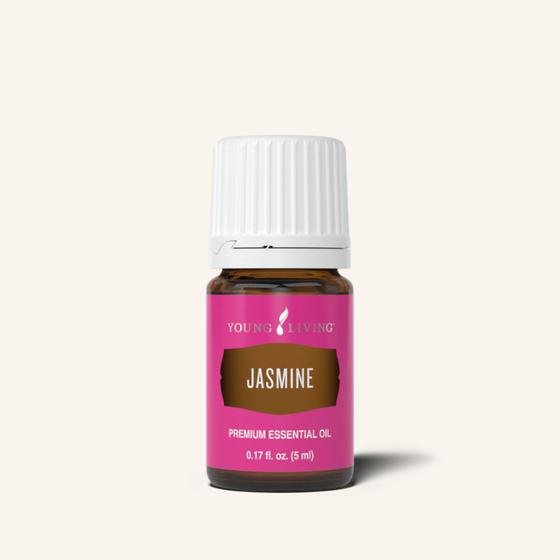
🌸💖 Jasmine Essential Oil: Expands your perspective with its enchanting scent, celebrating sacred energy. Revered for centuries, a symbol of love and purity, harmonizing opposites to foster wholeness. 🌟🌿🙏
Percentages of key constituents in Bergamot Essential Oil vary due to factors like source, extraction method, and quality. The chemical compound and their approximate percentage ranges includes:
Here are some of the main constituents typically found in Ecuadorian Oregano Essential Oil, but we cannot give a percentage list of compounds:
Thymol: Another potent antimicrobial compound commonly found in oregano essential oil.
γ-Terpinene: This compound contributes to the characteristic aroma of oregano oil and possesses antimicrobial properties.
p-Cymene: A natural compound with antimicrobial and antioxidant properties.
Linalool: Known for its calming and soothing effects, linalool is a common constituent found in many essential oils, including oregano oil.
α-Terpineol: This compound has a pleasant aroma and is believed to have antimicrobial and antioxidant properties.




Jasmine, often referred to as the “queen of the night” and the “moonlight of the grove,” is a genus that encompasses approximately 300 species of hardy evergreen shrubs or vines. These plants are known for their exquisite beauty and are appreciated not only for their ornamental value but also for their aromatic properties.
Origin and Characteristics: Native to Asia, jasmine has become a common and beloved plant worldwide for its aesthetic appeal. It belongs to the olive family and is characterized by its large climbing shrub or vine form, capable of reaching heights of up to 32 feet. Jasmine is most renowned for its small, fragrant white and pink blossoms, which emit a rich and sultry aroma.
Harvesting at Night: An interesting aspect of jasmine production is the timing of the harvest. Jasmine flowers are typically harvested at night to maximize their yield and capture their full fragrance. This nighttime harvest ensures that the essential oil, which is extracted from the flowers, contains the most potent and captivating aroma.
Jasmine Absolute: It’s important to note that Jasmine is considered an absolute rather than an essential oil. Jasmine absolute is a concentrated aromatic extract obtained through solvent extraction, as opposed to steam distillation, which is the method used to produce most essential oils. This extraction process is used because steam distillation does not effectively capture the fragrance of jasmine flowers.
Aromatic and Topical Uses: Jasmine absolute has a rich, luxurious aroma that is often described as sultry and captivating. It pairs beautifully with citrus and other floral essential oils, making it a popular choice for creating mood-enhancing blends that set the stage for pampering and romance. When applied topically, it is known for promoting the appearance of glowing skin and healthy-looking hair, leaving behind a delicately perfumed scent that exudes opulence.
Topical: Apply 2─4 drops directly to desired area. Dilution not required, except for the most sensitive skin. Use as needed.
Aromatic: Diffuse up to 1 hour 3 times daily.